
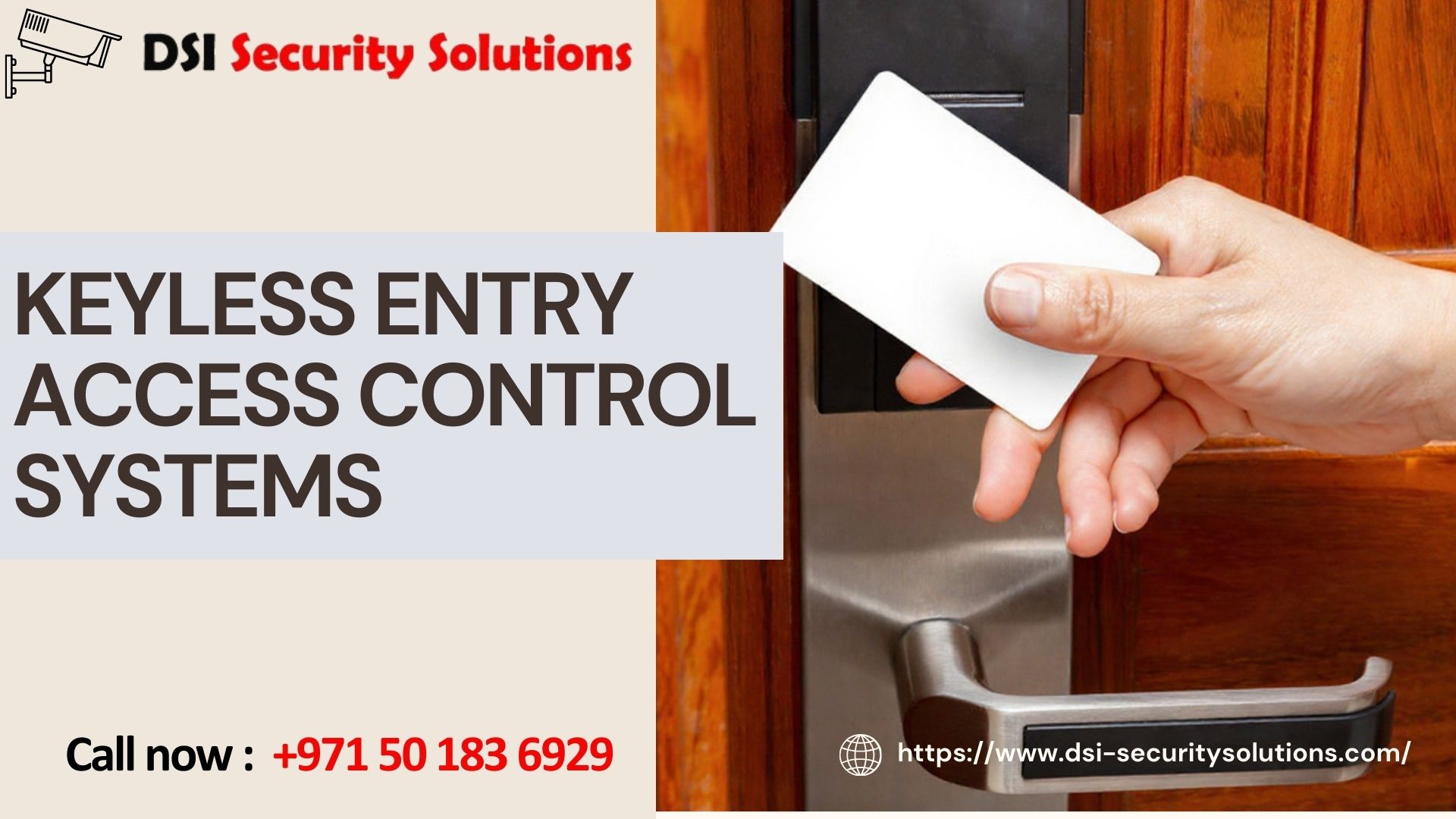
A keyless entry access control system is a modern security solution designed to enhance convenience and safety in residential, commercial, and industrial settings. By eliminating the need for traditional physical keys, these systems utilize advanced technologies such as RFID cards, key fobs, PIN codes, biometric authentication, or mobile app integration to grant authorized access. This streamlined approach reduces the risk of lost or duplicated keys while offering customizable access levels for different users. Keyless entry systems are often integrated with broader security frameworks, enabling real-time monitoring, audit trails, and remote management capabilities. Their scalability and adaptability make them ideal for various applications, from small businesses to large-scale facilities, ensuring efficient and secure access control tailored to specific requirements.
In this article, we will delve deeper into the features, benefits, types, implementation strategies, challenges, and future trends of keyless entry access control systems. By the end, you will have a comprehensive understanding of how these systems work and their significance in today’s security landscape.
Understanding Keyless Entry Access Control Systems
Keyless entry systems represent a significant advancement over traditional lock-and-key mechanisms. They provide a more flexible and secure means of controlling access to buildings and areas within them. These systems can be tailored to meet the unique needs of various environments, making them an increasingly popular choice for businesses and homeowners alike.
Key Components of Keyless Entry Systems
- Access Control Hardware: This includes the physical devices that allow entry, such as electronic locks, RFID readers, and biometric scanners.
- User Identification Devices: These can be RFID cards, key fobs, PIN pads, or biometric sensors that identify the user attempting to gain access.
- Control Panel: This component manages the access control system, processing user data and determining whether to grant or deny access.
- Software Interface: A user-friendly software application allows administrators to manage user permissions, monitor access logs, and generate reports.
Advantages of Keyless Entry Access Control Systems
Implementing a keyless entry access control system offers numerous advantages that enhance security and operational efficiency:
1. Enhanced Security
One of the primary benefits of keyless entry systems is their enhanced security. Traditional keys can be easily lost, duplicated, or stolen, posing a significant security risk. In contrast, keyless systems use unique identifiers that are much harder to replicate. For example, biometric systems rely on unique biological traits, such as fingerprints or facial recognition, making unauthorized access exceedingly difficult.
2. Convenience and Ease of Use
Keyless entry systems provide unparalleled convenience. Users no longer need to carry physical keys, which can be cumbersome and easily misplaced. Instead, they can use RFID cards, key fobs, or mobile apps to gain access quickly. This ease of use is particularly beneficial in high-traffic areas, where fast entry is essential.
3. Customizable Access Levels
Keyless entry systems allow administrators to customize access levels for different users. For instance, an organization can grant full access to managers while restricting access for temporary employees or visitors. This flexibility ensures that sensitive areas are protected while still allowing authorized personnel to perform their duties efficiently.
4. Real-Time Monitoring and Audit Trails
Many keyless entry systems come equipped with real-time monitoring capabilities, allowing administrators to track who enters and exits specific areas. This feature is invaluable for maintaining security and accountability. Additionally, detailed audit trails can be generated, providing insights into access patterns and helping identify potential security breaches.
5. Remote Management Capabilities
Modern keyless entry systems often include remote management features, enabling administrators to manage access permissions and monitor activity from anywhere. This capability is particularly useful for organizations with multiple locations or for businesses that require flexible access control.
6. Scalability and Adaptability
Keyless entry systems are highly scalable, making them suitable for a wide range of applications, from small businesses to large-scale facilities. As an organization grows, it can easily add new users, access points, or features without significant disruptions to existing operations.
Types of Keyless Entry Access Control Systems
There are several types of keyless entry access control systems, each utilizing different technologies to grant access. Here are the most common types:
1. RFID Access Control Systems
Radio Frequency Identification (RFID) systems use electromagnetic fields to automatically identify and track tags attached to objects. In access control, RFID cards or key fobs are used to grant entry. When a user presents their card or fob near the reader, the system authenticates their identity and unlocks the door.
2. Biometric Access Control Systems
Biometric systems use unique biological characteristics, such as fingerprints, facial recognition, or iris scans, to authenticate users. These systems offer a high level of security, as biometric traits are nearly impossible to replicate. Biometric access control is often used in high-security environments, such as government facilities or financial institutions.
3. PIN Code Entry Systems
PIN code entry systems require users to enter a predetermined code to gain access. This method is simple and cost-effective, making it a popular choice for small businesses and residential applications. However, users may forget their codes, and there is a risk of codes being shared or observed by unauthorized individuals.
4. Mobile App-Based Access Control
Mobile app-based systems allow users to unlock doors using their smartphones. This technology typically employs Bluetooth or Wi-Fi connectivity to communicate with the locking mechanism. Mobile access provides convenience and flexibility, as users can manage their access permissions directly from their devices.
5. Smart Lock Systems
Smart locks are a type of keyless entry system that can be controlled remotely via smartphone apps or integrated with home automation systems. These locks can be programmed to grant temporary access to guests or service providers, making them ideal for residential applications.
Implementing a Keyless Entry Access Control System
Implementing a keyless entry access control system requires careful planning and execution. Here’s a step-by-step guide to help organizations navigate the process:
1. Assess Security Needs
Before selecting a keyless entry system, organizations must assess their specific security needs. Consider factors such as the size of the facility, the number of users, and the sensitivity of the areas that require restricted access.
2. Choose the Right Technology
Based on the assessment, choose the keyless entry technology that best fits the organization’s requirements. Consider factors such as security level, ease of use, and budget. For example, RFID systems may be suitable for general access, while biometric systems might be necessary for high-security areas.
3. Plan the System Layout
Design a system layout that outlines the placement of access control hardware throughout the facility. Ensure that all entry points are adequately covered and that the system aligns with the organization’s security strategy.
4. Installation
Engage a professional installer to set up the keyless entry access control system. Proper installation is crucial for ensuring that the system functions correctly and efficiently. This step may involve integrating the system with existing security measures, such as surveillance cameras and alarm systems.
5. Employee Training
Provide comprehensive training for employees and administrators to ensure they understand how to use the system effectively. This training should cover how to enroll in the system, how to troubleshoot common issues, and the importance of maintaining security protocols.
6. Monitor and Maintain the System
Once the system is operational, continuous monitoring and maintenance are essential to ensure optimal performance. Regularly check for software updates, perform hardware inspections, and address any issues that arise promptly.
Challenges and Considerations
While keyless entry access control systems offer numerous benefits, organizations should also be aware of potential challenges and considerations:
1. Initial Costs
Implementing a keyless entry access control system can involve significant upfront costs, including hardware, software, and installation expenses. However, organizations should consider the long-term savings associated with reduced administrative burdens and enhanced security.
2. Privacy Concerns
The collection and storage of user data, particularly in biometric systems, raise privacy concerns for many employees. Organizations must ensure compliance with relevant regulations and inform employees about how their data will be used and protected.
3. System Compatibility
Ensuring that the keyless entry access control system integrates seamlessly with existing security infrastructure is crucial. Organizations should evaluate compatibility with other systems, such as surveillance cameras and alarm systems, to create a cohesive security strategy.
4. User Acceptance
Some employees may resist transitioning to a keyless entry system due to concerns about technology or a preference for traditional keys. Addressing these concerns through education and training is essential for ensuring a smooth implementation process.
Future Trends in Keyless Entry Access Control Systems
As technology continues to evolve, keyless entry access control systems are expected to undergo significant advancements. Here are some trends to watch for in the coming years:
1. Increased Use of Artificial Intelligence
Artificial intelligence (AI) is poised to enhance keyless entry systems by improving user authentication processes and threat detection. AI algorithms can analyze access patterns and identify anomalies, allowing for proactive security measures.
2. Integration with Smart Home Technologies
As smart home technologies become more prevalent, keyless entry systems will increasingly integrate with these solutions. Homeowners will be able to control access to their properties through centralized smart home applications, enhancing convenience and security.
3. Mobile and Cloud-Based Solutions
The trend toward mobile and cloud-based solutions will continue to grow. These systems offer flexibility and convenience, allowing users to manage access from anywhere and at any time. Cloud technology will also enable real-time updates and improved data security.
4. Multi-Factor Authentication
Combining keyless entry systems with other security measures, such as biometric verification or PIN codes, will become increasingly common. Multi-factor authentication enhances security by requiring multiple forms of verification before granting access.
5. Enhanced User Experience
As keyless entry technology advances, user experience will continue to improve. Future systems will focus on seamless integration, speed, and reliability, ensuring that users can access secured areas quickly and conveniently.
Keyless entry access control system provides a modern, secure, and convenient solution for managing access to facilities in various settings. By utilizing advanced technologies such as RFID cards, key fobs, biometric authentication, and mobile app integration, these systems eliminate the need for traditional physical keys, reducing the risks associated with lost or duplicated keys.
The benefits of keyless entry access control systems include enhanced security, convenience, customizable access levels, real-time monitoring, remote management capabilities, and scalability. As organizations navigate the implementation of these systems, it is essential to assess their specific needs, choose the right technology, and ensure proper training and maintenance.
Looking ahead, the future of keyless entry access control systems is promising, with advancements in AI, mobile solutions, and multi-factor authentication on the horizon. By embracing these innovations, businesses and homeowners can strengthen their security protocols and demonstrate a commitment to utilizing cutting-edge technology to protect assets and ensure safety.